

Safety Expertise for Your Industry
A construction site's hazards are nothing like a warehouse's. Your safety plan shouldn't be one-size-fits-all either.
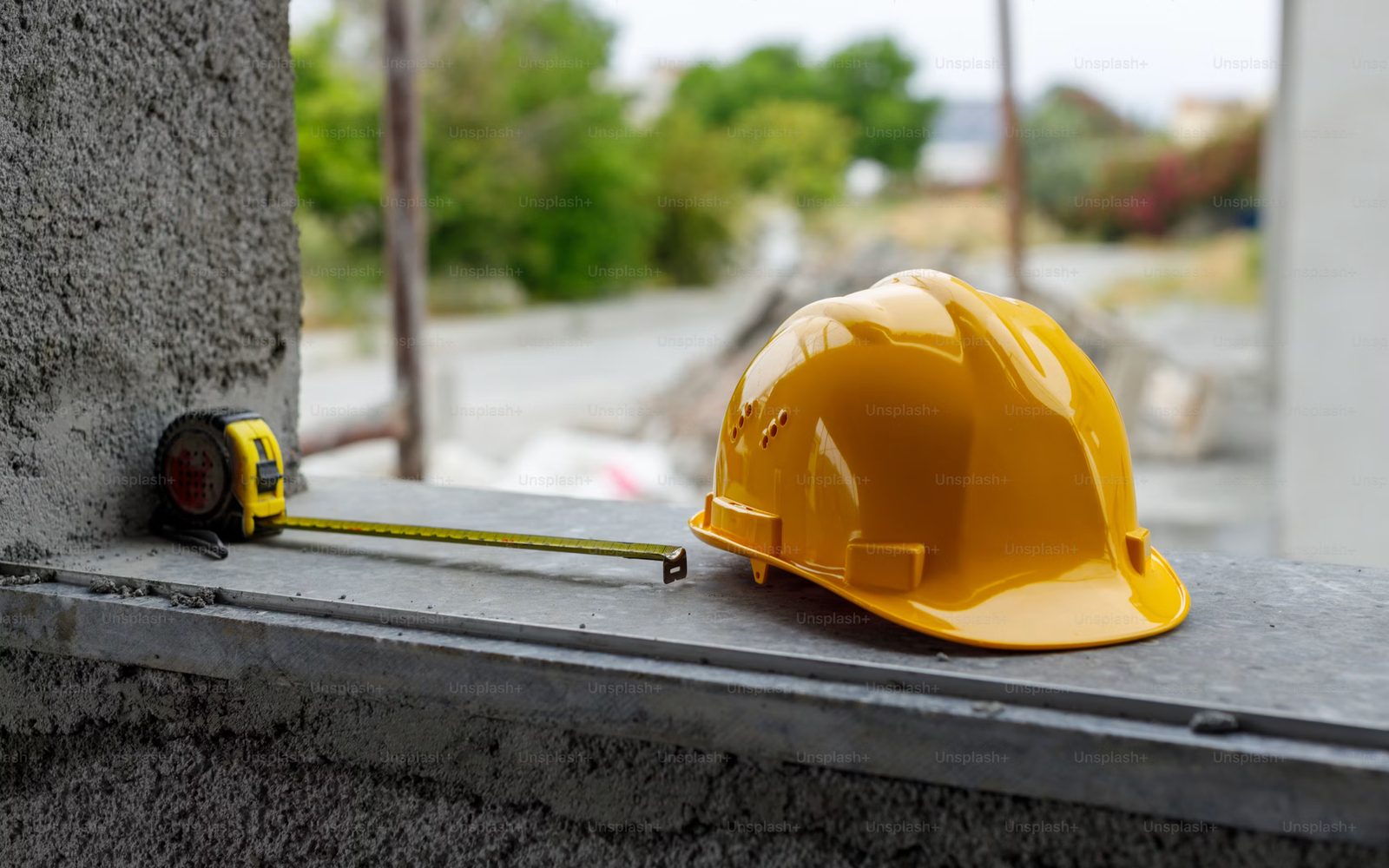 Construction
Falls, struck-by hazards, multi-employer sites, prime contractor liability.
Explore
Construction
Falls, struck-by hazards, multi-employer sites, prime contractor liability.
Explore
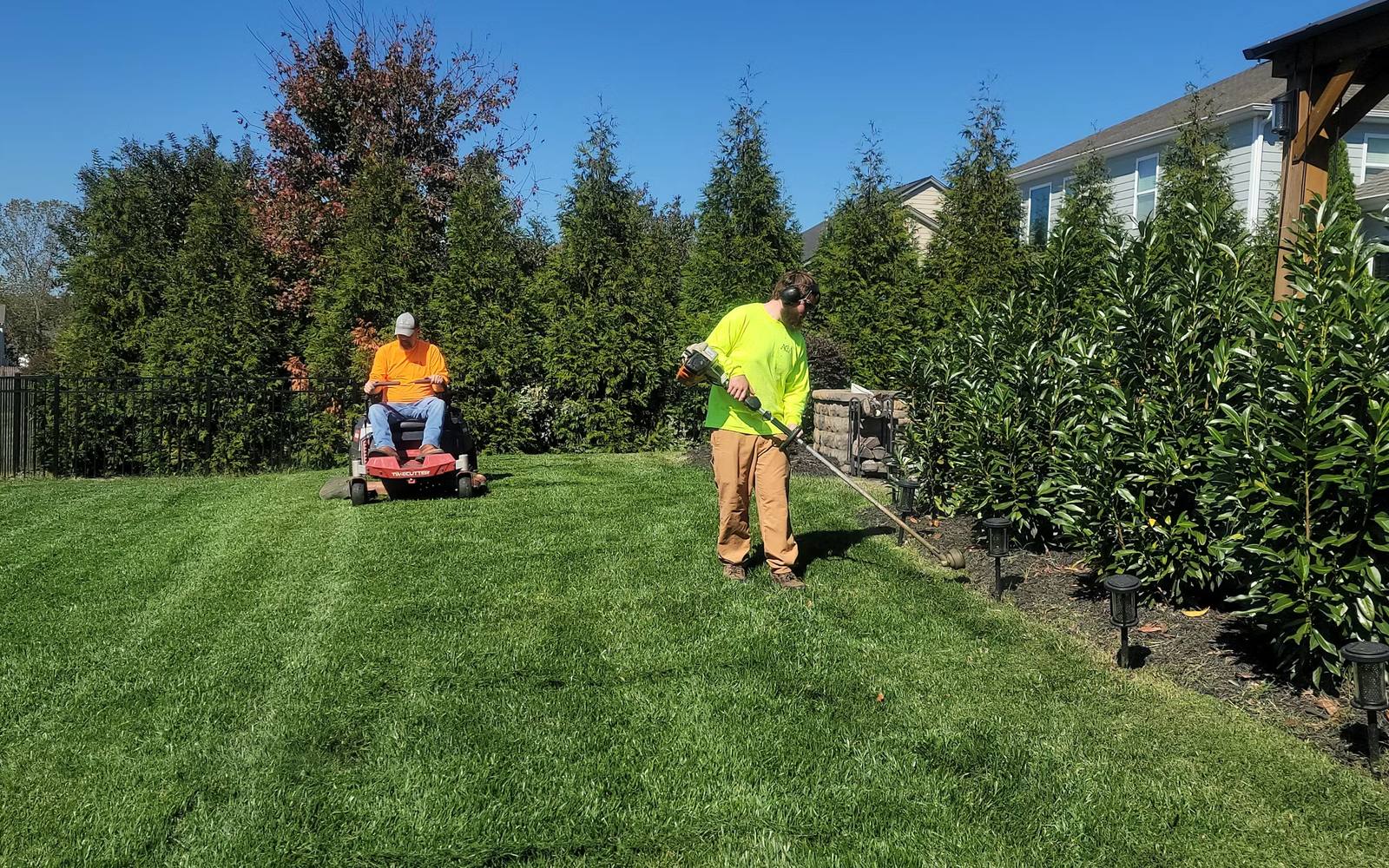 Landscaping
Equipment hazards, heat stress, chemical handling, seasonal crews.
Explore
Landscaping
Equipment hazards, heat stress, chemical handling, seasonal crews.
Explore
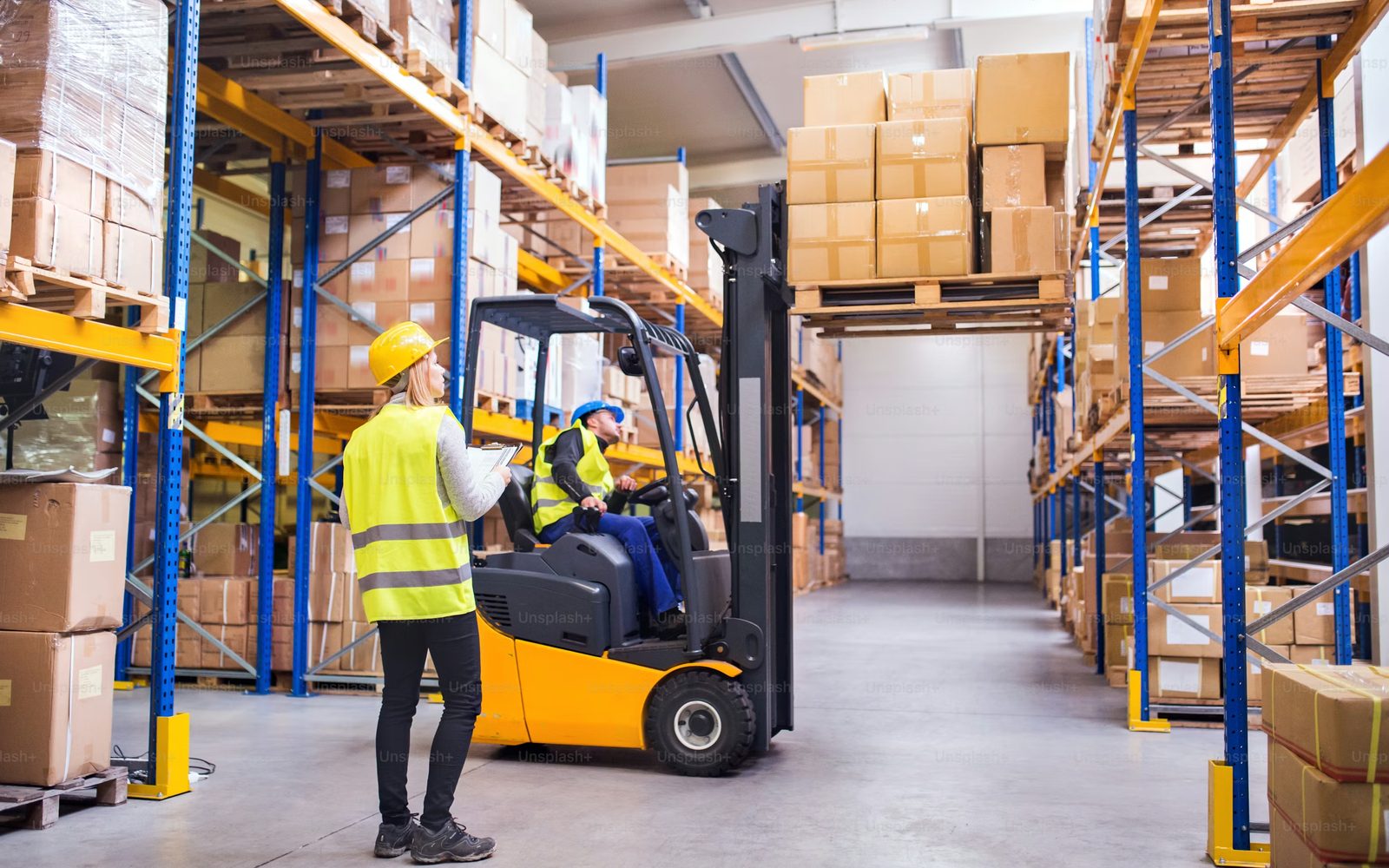 Warehousing
Forklifts, racking, docks, and quota-driven tempo pressure.
Explore
Warehousing
Forklifts, racking, docks, and quota-driven tempo pressure.
Explore
 Civil & Infrastructure
Excavation, utility strikes, traffic control, mobile equipment.
Explore
Civil & Infrastructure
Excavation, utility strikes, traffic control, mobile equipment.
Explore
Why Your Industry Determines Your Safety Plan – Not Just Your Company Size
Two businesses with fifty employees can face completely different regulatory worlds. That's why we organize our work by industry first – and why a generic plan is so dangerous. Below is what actually matters in each sector we serve.
Construction: Falls, the Fatal Four, and Multi-Employer Liability
Construction consistently records the highest number of workplace fatalities of any industry, and the "Fatal Four" – falls, struck-by incidents, electrocution, and caught-in hazards – account for the majority. But the compliance challenge goes deeper: construction sites are multi-employer environments where the prime contractor can be held responsible for subcontractor failures. A construction safety plan must cover site-specific fall protection, orientation documentation for a rotating workforce, and coordination procedures that protect you when other companies' workers step onto your site.
Warehousing & Logistics: Forklifts, Racking, and the Tempo Problem
Warehouse safety has one defining challenge: speed pressure. Quota-driven operations create an environment where workers take shortcuts precisely where the hazards are worst – forklift-pedestrian interactions, loading docks, and racking systems. An effective warehouse safety program has to work at operational tempo: traffic management plans, rapid onboarding for seasonal labor, racking inspection routines, and near-miss reporting that doesn't punish honesty.
Civil & Infrastructure: Excavation, Utilities, and Live Traffic
Civil contractors face a different risk profile than building construction: trench collapses, underground utility strikes, and crews working metres from live traffic. A civil safety program needs documented excavation and shoring procedures, utility locate protocols, traffic control plans with certified TCPs, and prime contractor coordination that holds up when municipalities and owners audit your paperwork before awarding work.
Landscaping: Mobile Crews, Equipment, and Seasonal Turnover
Landscaping operations run small crews across multiple sites every day – which makes consistent supervision nearly impossible without written systems. Chainsaws, chippers, and mowers cause the serious injuries; heat stress, pesticides, and lifting cause the chronic ones. A landscaping safety plan has to be simple enough to run from a truck cab: equipment-specific procedures, chemical handling under WHMIS, and fast onboarding for seasonal workers who may only be with you for months.
The Regulatory Landscape Is Different in Every Sector
Inspectors specialize. A construction inspector expects fall protection plans and prime contractor documentation. A warehouse inspector goes straight to forklift training records and racking inspections. A civil works inspector wants your excavation procedures and traffic control plan. Knowing what your inspectors will ask for – before they arrive – is half the value of an industry-specific program. Every plan we build is written against the standards that apply to your sector and your jurisdiction – primarily the WorkSafeBC OHS Regulation in British Columbia, and other provincial OHS requirements where your operations extend.
How We Tailor a Plan to Your Industry
Our process starts with your industry's hazard profile and citation history, then narrows to your facility. The on-site assessment identifies which sector-typical hazards actually exist in your operation, which controls you already have, and where the real gaps are. The result is a plan that's industry-correct at the framework level and facility-specific at the procedure level – the combination that passes inspections and, more importantly, prevents injuries. If your operation spans more than one of these sectors – a civil contractor with a shop yard, a landscaper with a warehouse – we build one program that covers all of it.
Get a Safety Assessment for Your Industry
A free 15-minute call is all it takes to find out where your operation stands.
Contact Us