
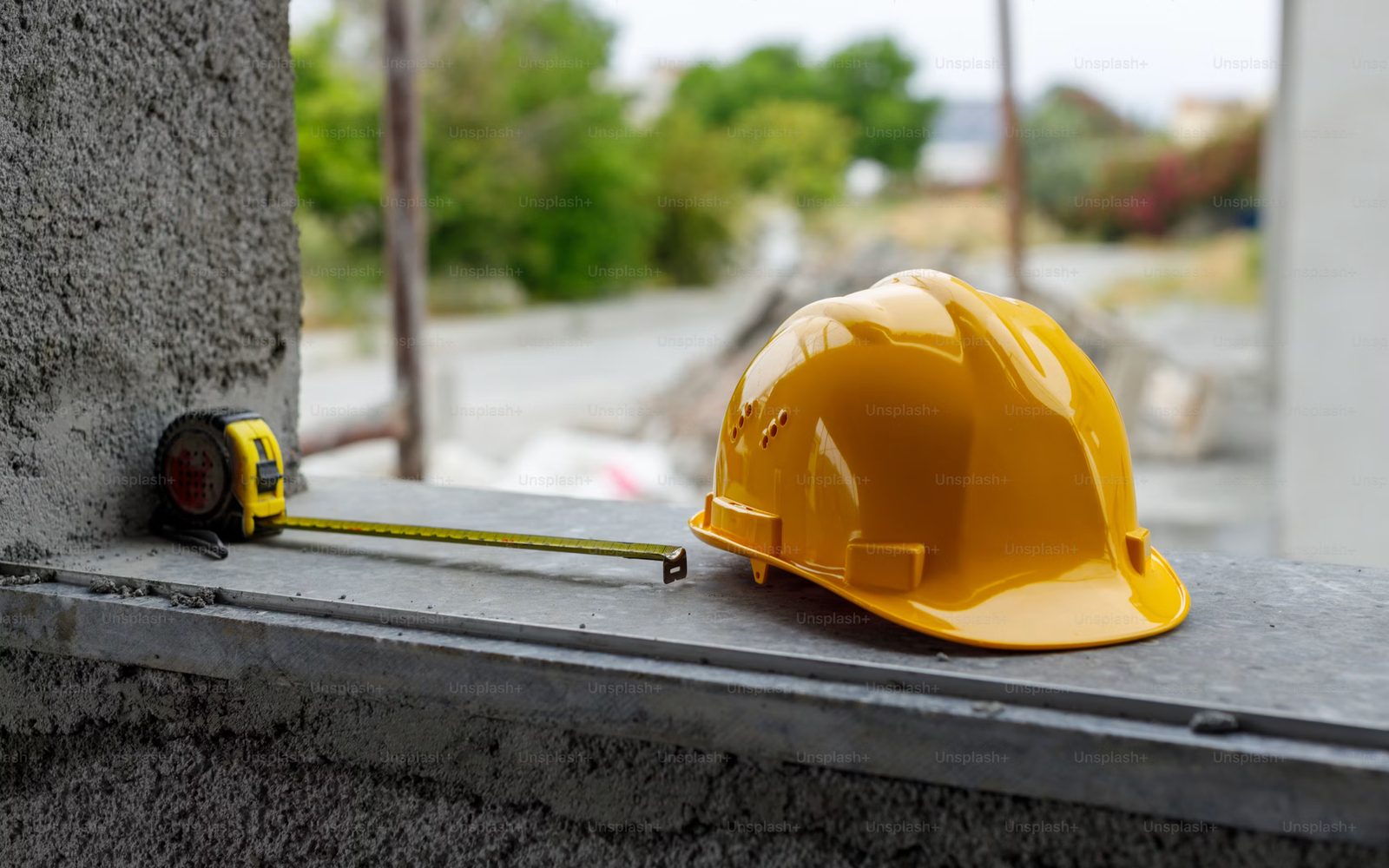
Civil construction worker in a hard hat holding a clipboard on an infrastructure job site
Know the Hazards
Quick answer: The biggest civil construction safety risks are excavation and trenching collapses, underground utility strikes, struck-by incidents involving mobile equipment, and traffic exposure in live work zones. A compliant civil safety program must include excavation procedures, utility locate documentation, traffic control plans, and documented crew orientations.

Risks in Civil & Infrastructure Work

Excavation & Trenching

Cave-ins kill fast – sloping, shoring, and soil classification procedures are non-negotiable.

Underground Utility Strikes

Gas lines, electrical duct banks, and fibre – locate tickets and safe-dig procedures protect your crew.

Mobile Equipment

Excavators, loaders, and dump trucks working around ground crews – blind spots and swing radiuses.

Live Traffic Exposure

Work zones beside moving traffic demand documented traffic control plans and trained TCPs.

Multi-Employer Sites

Municipal and infrastructure projects stack contractors – coordination duties fall on the prime.

Weather & Remote Sites

Water accumulation in excavations, cold stress, and limited emergency access on rural right-of-ways.

The Rulebook

Regulatory Requirements

Civil and infrastructure work sits under some of the most enforced parts of the regulation. Your program needs to address the standards inspectors actually cite:

  • WorkSafeBC OHS Regulation Part 20 – Excavation & Trenching
  • WorkSafeBC OHS Regulation Part 20 – excavation & underground utilities (BC)
  • Traffic control plans & TCP certification requirements
  • BC 1 Call / utility locate documentation procedures
  • COR / Certificate of Recognition programs

How We Help

  • Project-specific plans Written for each job – excavation, traffic control, and utility procedures matched to the site.
  • Subcontractor alignment Orientation packages and coordination procedures that protect you as prime contractor.
  • COR readiness Gap reviews and documentation support to earn or keep your Certificate of Recognition.
Case Study Civil & Infrastructure

An excavation contractor needed compliant documentation to bid municipal infrastructure work…

Their safety program had no excavation procedures, no traffic control documentation, and no proof of utility locate training – all mandatory for the tenders they wanted. We built a civil-specific program with excavation checklists, TCP coordination procedures, and toolbox meeting templates their foremen actually use.

Result: Pre-qualified for their first municipal tender and passed the owner's safety audit with zero deficiencies within 90 days.
See More Case Studies
Related Industries

Explore Related Sectors

Construction sector worksite
Related Industry

Construction

Safety programs built for the specific hazards and regulators of this sector.
Landscaping sector worksite
Related Industry

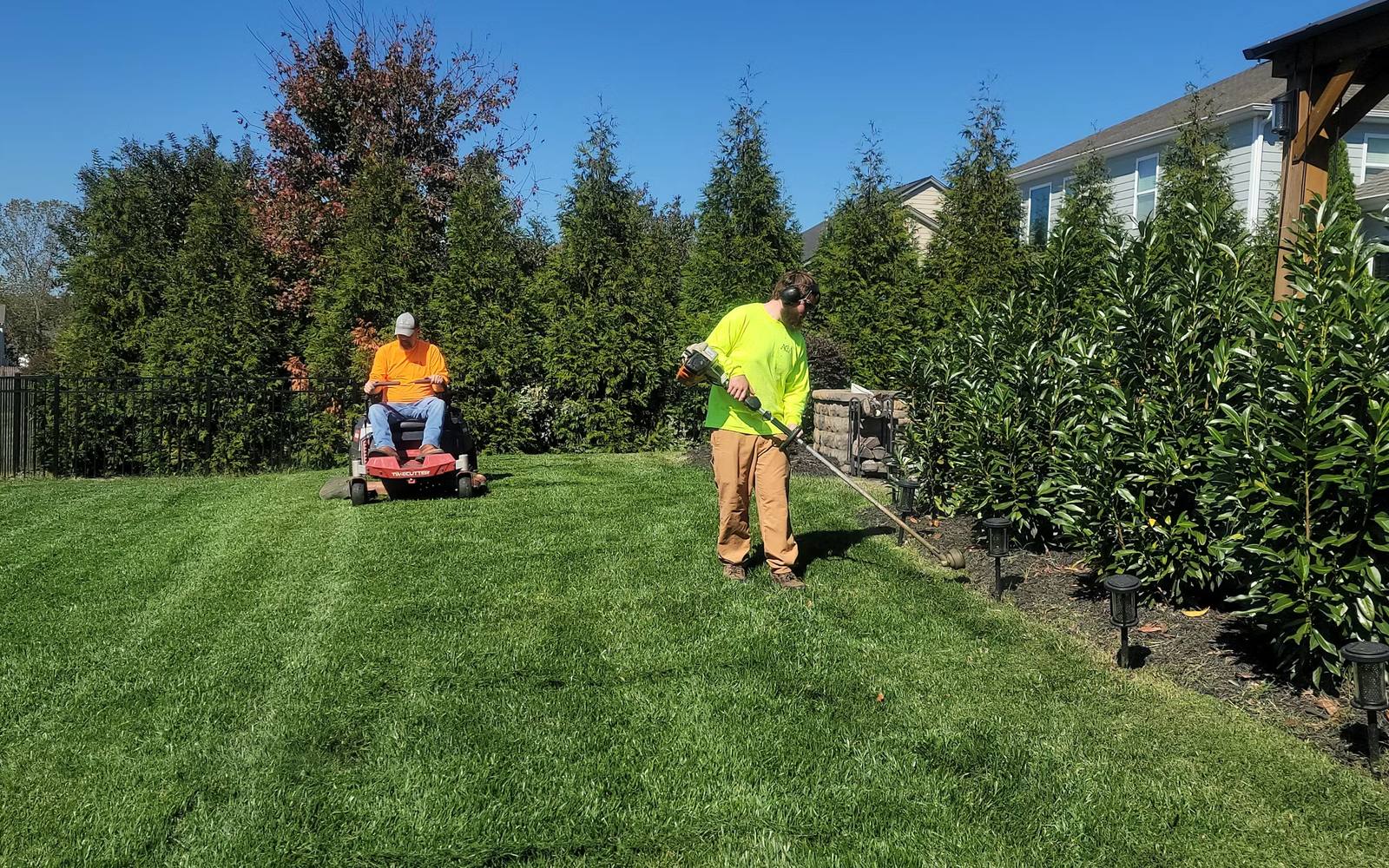
Landscaping

Safety programs built for the specific hazards and regulators of this sector.
Warehousing sector worksite
Related Industry

Warehousing

Safety programs built for the specific hazards and regulators of this sector.

All Industries

Get a Civil Works Safety Assessment

Find out exactly where your program stands before your next tender submission or site audit.

Contact Us
Call Now Contact Us