
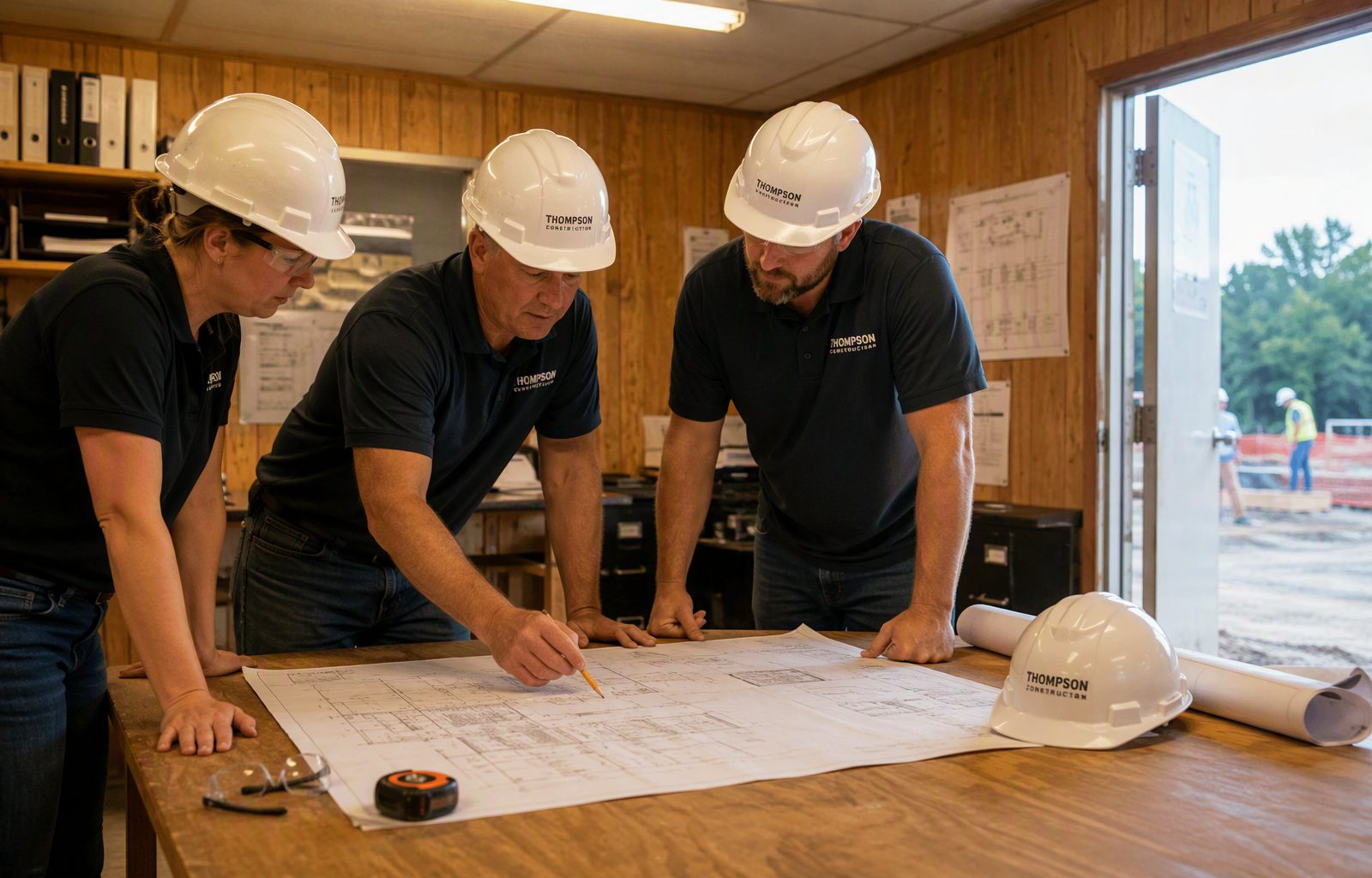
Custom Safety Plans
A complete program written around your Peace Region operation – crew, fleet, or shop – built to WorkSafeBC and energy-client standards from day one.
Learn More
Fort St. John is B.C.'s Energetic City – the service capital of the Montney gas play and the Peace River's hydro corridor, where contractors work under some of the most demanding client safety regimes in the country. Alcantara Safety Solutions builds WorkSafeBC-aligned safety plans, compliance reviews, and risk assessments for Peace Region employers – fixed-fee, remote-first, with site visits where the project calls for them.
Fort St. John's economy is energy, full stop. The city services the Montney – one of the most productive natural gas plays in North America – and its business community is built from oil and gas contractors of every description: drilling and completions services, fluid hauling, pressure trucking, construction and lease work, pipeline crews, camps and catering, and the fabrication and supply shops that keep the patch running. The Peace River's hydro system adds a second energy anchor: the project long known as Site C – completed in 2025 and since renamed the John Horgan Dam – wrapped up a decade of construction that at its peak employed thousands, and the region's energy infrastructure continues to draw maintenance and expansion work. Agriculture in the Peace – grain, canola, and forage on some of the northern prairies' best land – rounds out the regional economy.
This is a market where safety documentation is not a WorkSafeBC formality – it is the price of admission. Energy-sector clients screen contractors through registry platforms like ISNetworld, ComplyWorks, and Avetta; they demand documented programs, statistics, and procedures matched to the hazards of the work – H2S, confined space, ground disturbance, hot work, and driving among them – and they requalify on schedule. A Fort St. John contractor without current, credible safety documentation simply does not get on location.
Alcantara Safety Solutions serves employers across the Peace Region – Fort St. John, Dawson Creek, Taylor, Hudson's Hope, and the surrounding district. Engagements run remote-first at the same fixed fees we quote everywhere in B.C., with site visits scheduled where the project genuinely calls for them. Every program is written from scratch against the Regulation, your clients' contractor management standards, and the realities of energy-sector work in the North.
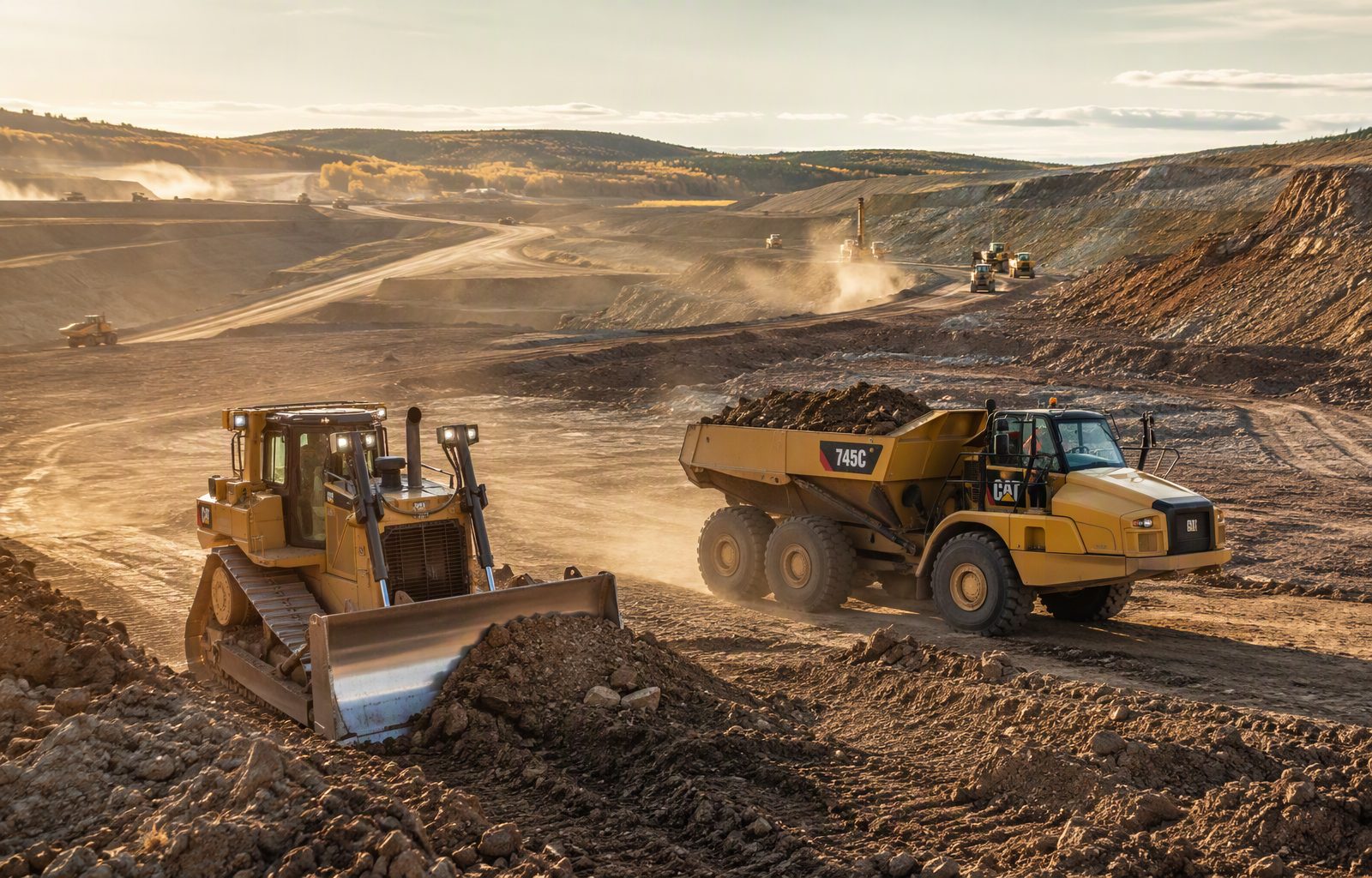
The Montney keeps Fort St. John's service economy running – drilling and completions support, fluid and pressure hauling, lease construction, pipeline work, and the dozens of specialty trades the play depends on. Energy-sector safety requirements are layered: WorkSafeBC's OHS Regulation underneath, and on top of it the client regimes – operator-specific procedures, registry pre-qualification through ISNetworld, ComplyWorks, or Avetta, and hazard-specific documentation for H2S, confined space, ground disturbance, hot work, and driving that must match your clients' standards. We build programs and pre-qualification packages for energy contractors – sized for lean operations, built to registry standards, and maintainable through requalification cycles.
A decade of hydro construction on the Peace proved the region can execute mega-project work, and the contractors who cut their teeth on that scale now carry its disciplines into ongoing energy infrastructure, maintenance, and expansion projects across the northeast. Industrial construction compliance here means the full stack: prime contractor coordination on multi-employer sites, fall protection, excavation and ground disturbance, heavy lift, and the documentation expectations of utility and energy-sector owners. We write programs that meet infrastructure-owner standards – complete, auditable, and built for contractors who intend to keep working at that level.
The patch runs on trucks – water, condensate, crude, equipment, and aggregate moving on lease roads and highways in every season. Energy-sector hauling adds hazard-specific obligations to the standard fleet compliance load: H2S awareness for location work, load securement for dangerous goods, journey management on remote roads, and winter driving procedures that are survival content, not boilerplate. We write driver and fleet programs for energy-sector carriers – including the TDG documentation, location orientation systems, and client-specific requirements your contracts actually contain.
The Peace is serious farm country – grain, canola, and forage operations on some of the best northern prairie land in Canada, plus the equipment dealers, custom operators, and agri-services around them. Farm employers are fully covered by WorkSafeBC: machinery guarding, grain handling and confined spaces in bins and silos, chemical storage and handling, and seasonal worker orientation are all regulated obligations. We write farm safety programs in plain language, sized for family operations and commercial producers – including the custom operators whose crews work across multiple farms.
Fort St. John's shops – fabrication, welding, equipment service, and industrial supply – form the patch's support layer, and they carry the classic industrial compliance stack: machine guarding, hot work procedures, WHMIS 2015, overhead cranes and rigging, and compressed gas handling. Their customers increasingly ask for safety documentation too. We write shop programs that satisfy both WorkSafeBC and the energy-sector procurement departments reviewing your vendor file.
Peace Region employers face the same province-wide OHS Regulation, administered by WorkSafeBC's northern prevention teams who know energy-sector work intimately – and unlike most B.C. markets, the private enforcement layer here is at least as demanding as the public one. Energy clients audit their contractors, verify registry standings, and review documentation before awarding work. The practical result: Fort St. John employers typically need programs that satisfy WorkSafeBC and their clients' contractor management standards simultaneously. We build to both from the start.
Two Peace Region realities shape every program we write. First, cold and darkness: winter work at fifty-below wind chill with four hours of daylight makes cold stress, journey management, and winter driving genuine life-safety procedures – the Regulation's exposure and emergency requirements are not abstractions here. Second, remote locations: patch work happens far from immediate medical response, and first aid and emergency transport obligations scale with that distance. Programs written with urban assumptions fail on a lease road in January – ours are written for where you actually work.
Every engagement starts with your operation, not a template. These are the services Peace Region employers ask for most:
A complete program written around your Peace Region operation – crew, fleet, or shop – built to WorkSafeBC and energy-client standards from day one.
Learn More
A gap review of your documentation plus practical support for ISNetworld, ComplyWorks, and Avetta submissions and requalification.
Learn More
Assessments covering H2S, confined space, ground disturbance, driving, and shop hazards – documented to client-review standard.
Learn MorePeace Region engagements run remote-first: structured video walkthroughs of your operation, document review, and working sessions with your supervisors, all at the same fixed fee we quote everywhere in B.C. – plan creation costs the same in Fort St. John as in Vancouver. Where on-site days genuinely add value – a complex facility, a pre-audit mock inspection – we schedule them and quote travel transparently up front.
A typical engagement: discovery call and virtual walkthrough, draft program in about two weeks, a working session with your supervisors, then final documents and a plain-language briefing. For registry pre-qualification, we review your target clients and work categories at the first meeting so the program is built to the right standard – and so requalification next year is an update, not a rebuild.
Ready when you are: call (778) 954-1988 or contact us – we typically respond within two business days.
Remote-first, with site visits where they add genuine value. Our full process – walkthrough, document review, supervisor sessions – runs efficiently by video at the same fixed fee we charge in the Lower Mainland. Complex facilities and pre-audit work can warrant on-site days, quoted transparently in your fixed fee. Plan creation costs the same either way.
Yes. Registry pre-qualification requires documented safety programs, statistics, hazard-specific procedures matched to your work categories, and questionnaire responses – all verified against your documentation. We build the program the registries ask for and prepare your submissions so your standing reflects a real program, not paperwork assembled for the questionnaire. Requalification then becomes a scheduled update instead of an annual scramble.
The core set for Montney work: H2S safety, confined space entry, ground disturbance, hot work, driving and journey management, and lockout – plus your scope-specific items. Each needs to be a real procedure matched to how your crews work, not a downloaded template; clients and their auditors compare documentation against field practice. We write these procedures around your actual operations, to the standard your target clients review against.
Work far from medical response scales up your obligations: appropriate first aid capability and equipment on site, documented emergency transport procedures – how an injured worker reaches care within required timeframes – and communication check-in systems for isolated work. On lease roads and remote locations, these are life-safety systems, not paperwork. We build remote-work and emergency response procedures matched to your operating area.
For a single Peace Region operation, a complete custom program is typically ready within two to three weeks of our virtual walkthrough, including revisions. Mobilization dates and client deadlines are routine here – tell us the date you are working toward and we will plan backward from it. Registry timelines add a few weeks for platform processing, so starting before you need the standing is always the right move.
Also serving: Prince George · Kamloops · Kelowna · Vancouver · All 16 Service Areas
Industries we serve: Construction · Civil & Infrastructure · Warehousing · All Industries
Contact us – we will identify exactly which requirements apply to your operation and quote a fixed fee on the spot.
Contact Us